Understanding Pet Osteopathic Care for Your Dog’s Wellness

When your dog seems stiff, slow, or uncomfortable, you want to help them feel better fast. Pet osteopathic care offers a gentle, hands-on approach to improve your dog’s mobility and overall health. I’ve seen how this natural therapy can make a real difference. Let’s explore what animal osteopathy is, how it works, and why it might be the right choice for your furry friend.
What Is Pet Osteopathic Care?
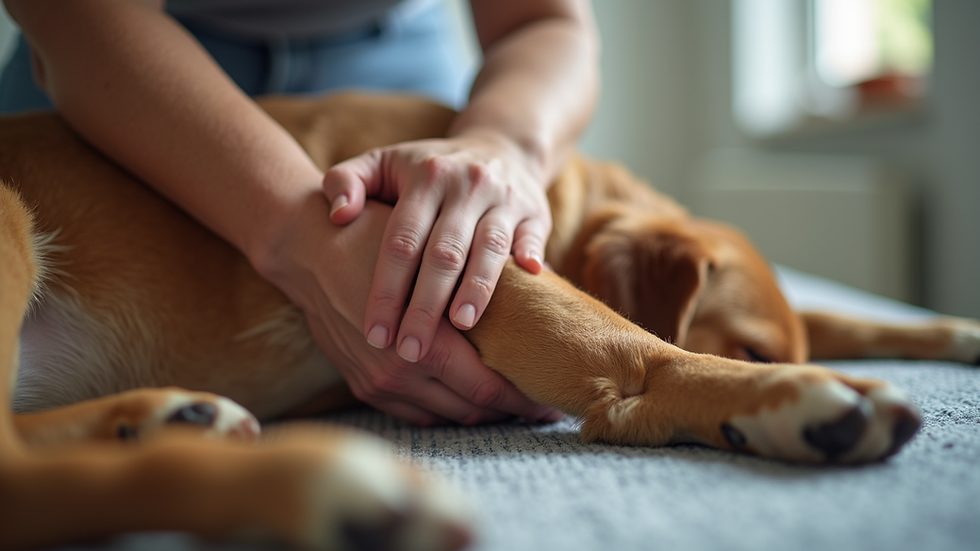
Pet osteopathic care is a holistic treatment that focuses on the musculoskeletal system - bones, muscles, joints, and connective tissues. It aims to restore balance and function by using manual techniques like gentle stretching, massage, and joint mobilization. This therapy helps your dog’s body heal itself by improving circulation, reducing pain, and enhancing movement.
Unlike some treatments that only address symptoms, osteopathy looks at the whole body. It considers how one area affects another. For example, a tight muscle in the back might cause your dog to limp or avoid certain movements. Osteopaths find these root causes and work to correct them.
This approach suits dogs of all ages and breeds. Whether your dog is recovering from an injury, dealing with arthritis, or just needs support for aging joints, pet osteopathic care can help.
How Pet Osteopathic Care Benefits Your Dog
The benefits of pet osteopathic care go beyond just easing pain. Here’s what you can expect:
Improved Mobility: Osteopathy helps loosen stiff joints and muscles, making movement easier and more comfortable.
Pain Relief: By addressing the source of discomfort, it reduces chronic pain without relying on medication.
Enhanced Circulation: Better blood flow supports healing and overall health.
Stress Reduction: Gentle touch calms your dog’s nervous system, reducing anxiety and promoting relaxation.
Prevention: Regular sessions can prevent injuries and keep your dog active longer.
For example, a dog with hip dysplasia might struggle to walk or jump. Osteopathic treatment can ease muscle tension around the hips, improve joint function, and help your dog regain confidence in movement.
What to Expect During a Pet Osteopathic Session
When you bring your dog to an osteopath, the first step is a thorough assessment. The practitioner will observe your dog’s posture, gait, and behavior. They may gently palpate muscles and joints to find areas of tension or restriction.
The treatment itself is hands-on and non-invasive. Techniques include:
Soft tissue massage
Joint mobilization and manipulation
Gentle stretching
Craniosacral therapy (light touch on the skull and spine)
Sessions usually last 30 to 60 minutes. Your dog may feel relaxed or even sleepy afterward. Some dogs show immediate improvement, while others benefit from multiple sessions.
It’s important to communicate openly with the osteopath about your dog’s medical history and any concerns. This helps tailor the treatment to your dog’s specific needs.

How to Choose the Right Osteopath for Your Dog
Finding a qualified pet osteopath is key to safe and effective care. Here’s what to look for:
Certification: Ensure the practitioner is certified in animal osteopathy by a recognized organization.
Experience: Ask about their experience with dogs and specific conditions.
Approach: Choose someone who listens and explains the treatment clearly.
Reviews: Check testimonials or ask for references from other pet owners.
Comfort: Your dog should feel at ease with the osteopath.
You can start by visiting an animal osteopathy blog to learn more and find trusted professionals near you.
Supporting Your Dog’s Health Between Sessions
Osteopathy works best when combined with good daily care. Here’s how to support your dog’s wellness at home:
Exercise: Keep your dog active with walks and play, but avoid overexertion.
Diet: Feed a balanced diet to maintain healthy weight and joints.
Comfort: Provide a soft, supportive bed to reduce pressure on joints.
Stretching: Learn simple stretches from your osteopath to do at home.
Monitor: Watch for changes in movement or behavior and report them promptly.
By partnering with your osteopath and staying proactive, you can help your dog enjoy a happier, healthier life.
Taking the Next Step for Your Dog’s Wellness
If your dog shows signs of stiffness, pain, or reduced activity, don’t wait. Explore pet osteopathic care as a natural way to restore their mobility and comfort. Reach out to a certified osteopath, ask questions, and schedule an assessment.
Remember, your dog’s health is worth the effort. With the right care, you can help them move freely and enjoy every moment by your side.
Start your journey today and see the difference pet osteopathic care can make. Your dog will thank you with every wag and happy step.


Comments